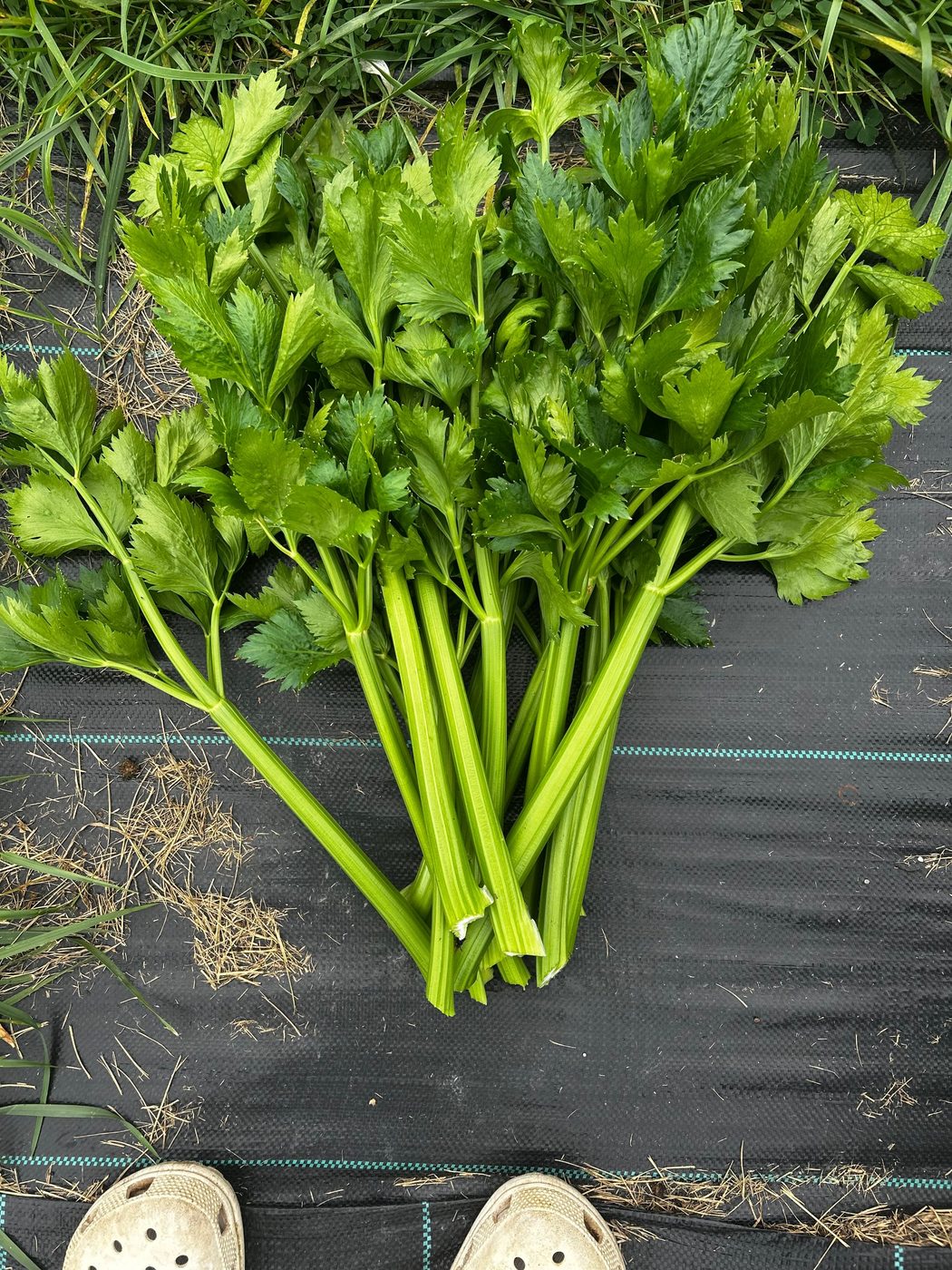
A bundle of celery came out of the garden this week, stalks and leaves together, laid out on the landscape fabric. One of the last things still standing.
It is also a good way into one of the most misread numbers in gardening. Two packets can carry the same days to maturity figure and mean completely different things.
Days to maturity: where the clock actually starts
Days to maturity is the average number of days from planting to the point where a crop is ready to pick. The whole problem lives inside the word planting.
Oregon State University Extension states the rule plainly. For seeds sown straight into the ground, the count runs from seeding. For crops started inside, it begins at transplanting outside.
So the same figure describes two different stretches of time. Colorado State's vegetable planting guide prints the point as a footnote under its own table: days to harvest are from transplants. That table gives broccoli 65 days, cabbage 85, tomato 65 and pepper 70. None of those clocks start when you open the packet. Each starts the day the plant goes into the garden, which is another five to eight weeks of your life earlier.
A 65 day tomato is ready roughly 65 days after transplant, and transplant comes after five to seven weeks in a tray. The honest figure is nearer a hundred days of your attention, not sixty five.
The same crop, from one source, with two numbers
Penn State Extension's York County Master Gardeners publish two vegetable guides that both list celery.
One gives celery 120 days to maturity. The other gives it 89.
Same crop, same county, same program, a 31 day gap. Neither is a mistake. The seed guide counts from an April 24 sowing. The transplanting guide counts from an April 20 transplant, after the seed went into a tray on February 9.
So the seed guide has celery ready on August 22 and the transplanting guide has it ready on July 17. Two routes, two clocks, and the tray route gets you celery five weeks sooner. The numbers are not wrong and they are not comparable, which is the whole problem with reading one off a packet.
Penn State's own column note is worth repeating: each variety matures at its own rate. The figure belongs to the variety, not to the crop.
Why celery exposes the gap better than anything else
Celery is the extreme case, which makes it useful even if you never grow it.
Germination first. Penn State gives celery 21 days to germinate, against 10 for lettuce and radish. Nothing about it is quick.
Then the tray. Penn State's transplanting guide, written for an area with a May 1 last frost and an October 1 first fall frost, starts celery indoors on February 9 and sets it out on April 20. That is about ten weeks under lights, and it puts the plant in the garden before the last frost, not after.
Then the field. Penn State gives 89 days from that transplant, landing its date of maturity on July 17. Texas A&M puts celery at 100 to 135 days after planting, though that sheet does not say whether planting means sowing or setting out. That vagueness is precisely the problem this post is about.
Add the specified parts and the shape appears. Roughly ten weeks in a tray, then about three months in the ground, so in that May 1 frost area a February sowing reaches a ready crop by mid July. About five months, start to finish, and a decision that has to be made in winter. There is no version of that choice you can make in May.
Which raises the obvious question. If celery matures in July, why is it cut in October?
Maturity date is not a deadline
Because the date of maturity is when a crop becomes ready, not when it stops being good. The gap varies enormously by crop.
A radish gives a narrow window, then splits and turns woody. Celery, once mature, stands in the bed and waits. The cutting date is chosen by the gardener, or the weather, not the packet.
That is the real deadline. Purdue Extension places celery in the semi hardy band, which tolerates a light frost but not a hard one. So mature celery holds through the cool weeks of autumn and can be cut well into the season, until a hard freeze ends it. The full breakdown, and what to do on a frost night, is in what to harvest, cover or pull before frost.
Worth knowing extension services genuinely disagree on these bands. Colorado State files celery as tender, Purdue as semi hardy. Pick one source, name it, and stay consistent.
The table, with the clocks labeled
| Crop | Weeks indoors | Days to maturity | Clock starts at | Source |
|---|---|---|---|---|
| Radish | none, direct sown | 30 | sowing | Penn State |
| Leaf lettuce | none, direct sown | 45 | sowing | Penn State |
| Bush snap bean | none, direct sown | 60 | sowing | Penn State |
| Carrot | none, direct sown | 75 | sowing | Penn State |
| Tomato | 5 to 7 | 65 | transplant | Colorado State |
| Pepper | 6 to 8 | 70 | transplant | Colorado State |
| Cabbage | 5 to 7 | 85 | transplant | Colorado State |
| Celery | about 10 | 89 | transplant | Penn State |
| Brussels sprouts | none in this guide | 131 | sowing | Penn State |
One caution on that last row. Penn State prints 131 days against an April 3 sowing, then footnotes the same row: best results if transplants are used. The number is real; the method it assumes is not the one the source recommends. Read the footnotes as well as the column.
Read it sideways. Radish asks 30 days and no advance planning. Celery asks about five months beginning in winter.
Counting backward from your own dates
The useful move is to stop counting forward from today and count backward from the two dates that bound your season.
For a crop started indoors, work back from your last frost. Pick the transplant date first, then subtract the weeks in the tray. Hardy and semi hardy crops can go out before the last frost, which is why Penn State sets celery out on April 20 against a May 1 date. Tender crops wait, which is why the same guide holds tomatoes until May 11. Get that step right and the rest is subtraction.
Early does not mean as early as you like. Texas A&M notes temperatures below 40 to 55F induce bolting in celery, so a plant set out to buy extra days can run to seed instead of building stalks.
So celery at ten weeks in the tray: if your last frost is around May 1, seed goes in during the second week of February. If your last frost is April 15, that moves to late January. If it is May 15, late February. Same crop, same ten weeks, three different sowing dates, and the only thing that changed was your own date.
For a fall crop, work back from your first frost instead, and add a cushion. Days to maturity figures are built on long days and warm soil. A crop finishing in October is working with shortening daylight and cooling ground, so it runs slower than the packet suggests. A common working adjustment is to add about two weeks before counting backward, though that one is a rule of thumb rather than an extension figure. More on the fall half in what you can still sow in late August.
Oregon State notes the figure is an average, not a guarantee. Temperature, soil fertility, moisture and sun all move it. Plan with a margin.
What to do with this in October
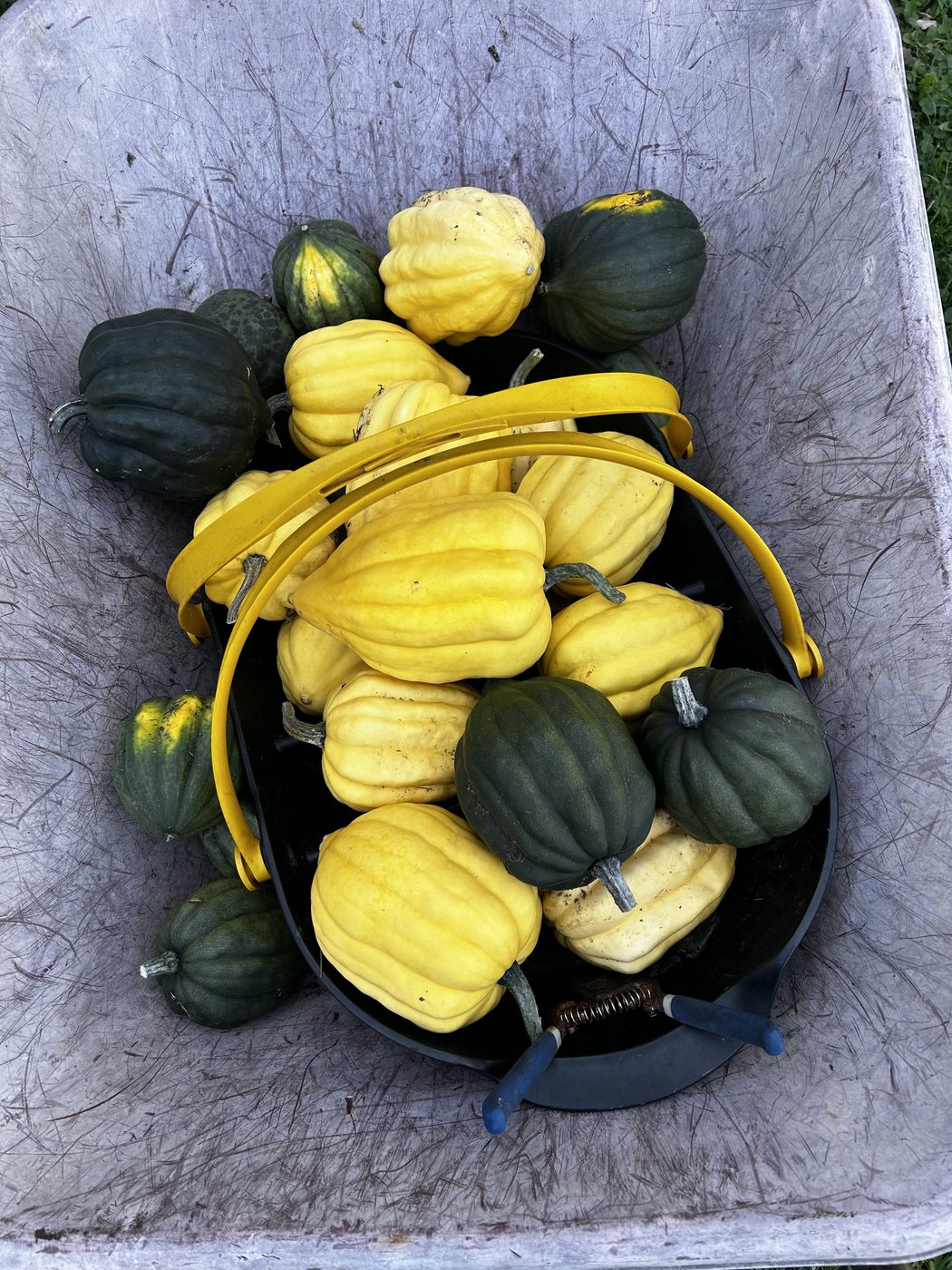
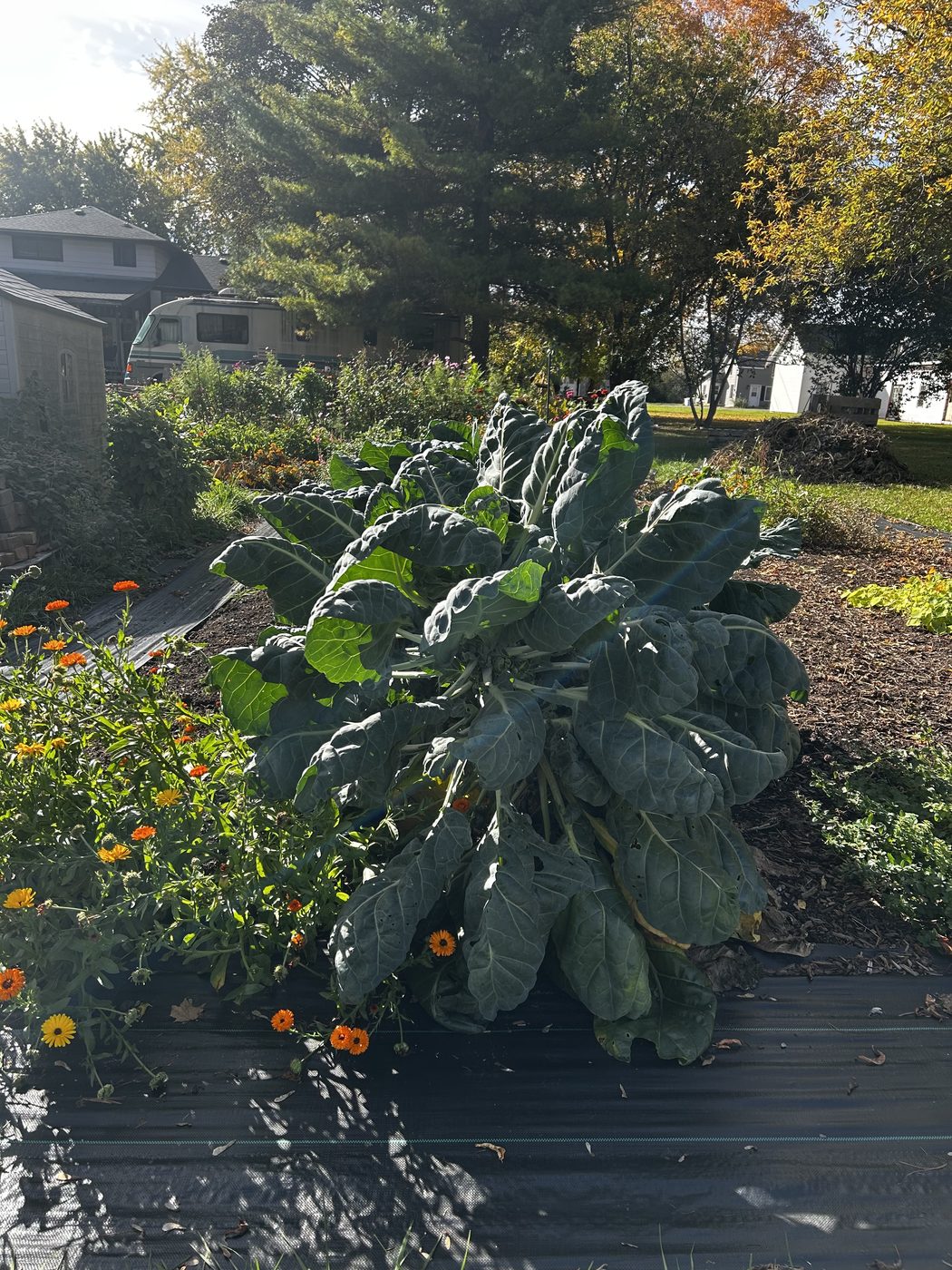
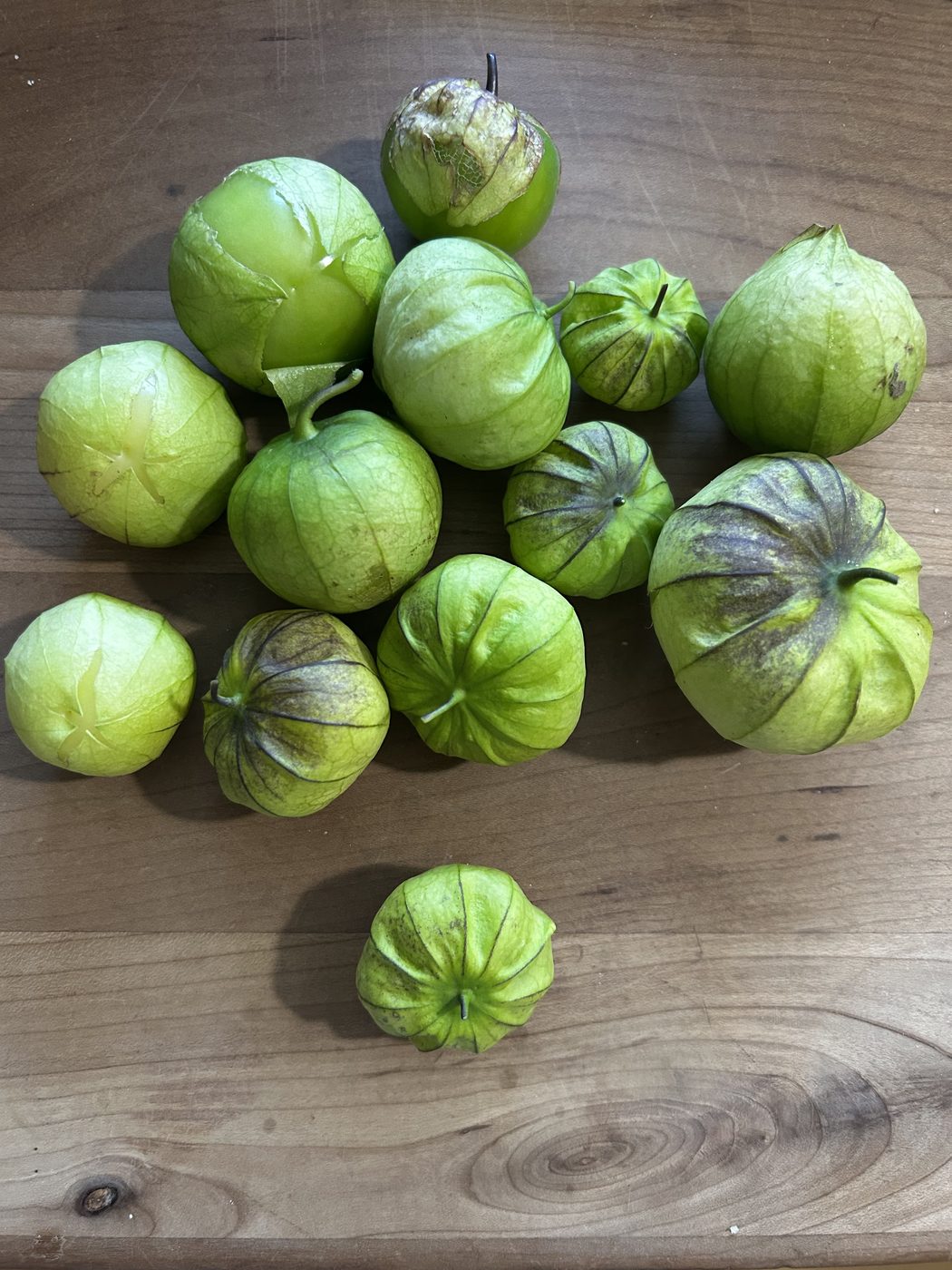
One garden this week makes the argument. The last winter squash came in and some fruit never ripened. Penn State puts the last productive squash harvest at September 24, a week before the same program's first frost, so anything setting late was always going to run out of season. The Brussels sprouts beside them, at 131 days, are still undecided. The tomatillos are still picking. An artichoke has only now pushed its first bud, and the Penn State guides give no figure for it at all. Four crops, four different schedules, all set months ago.
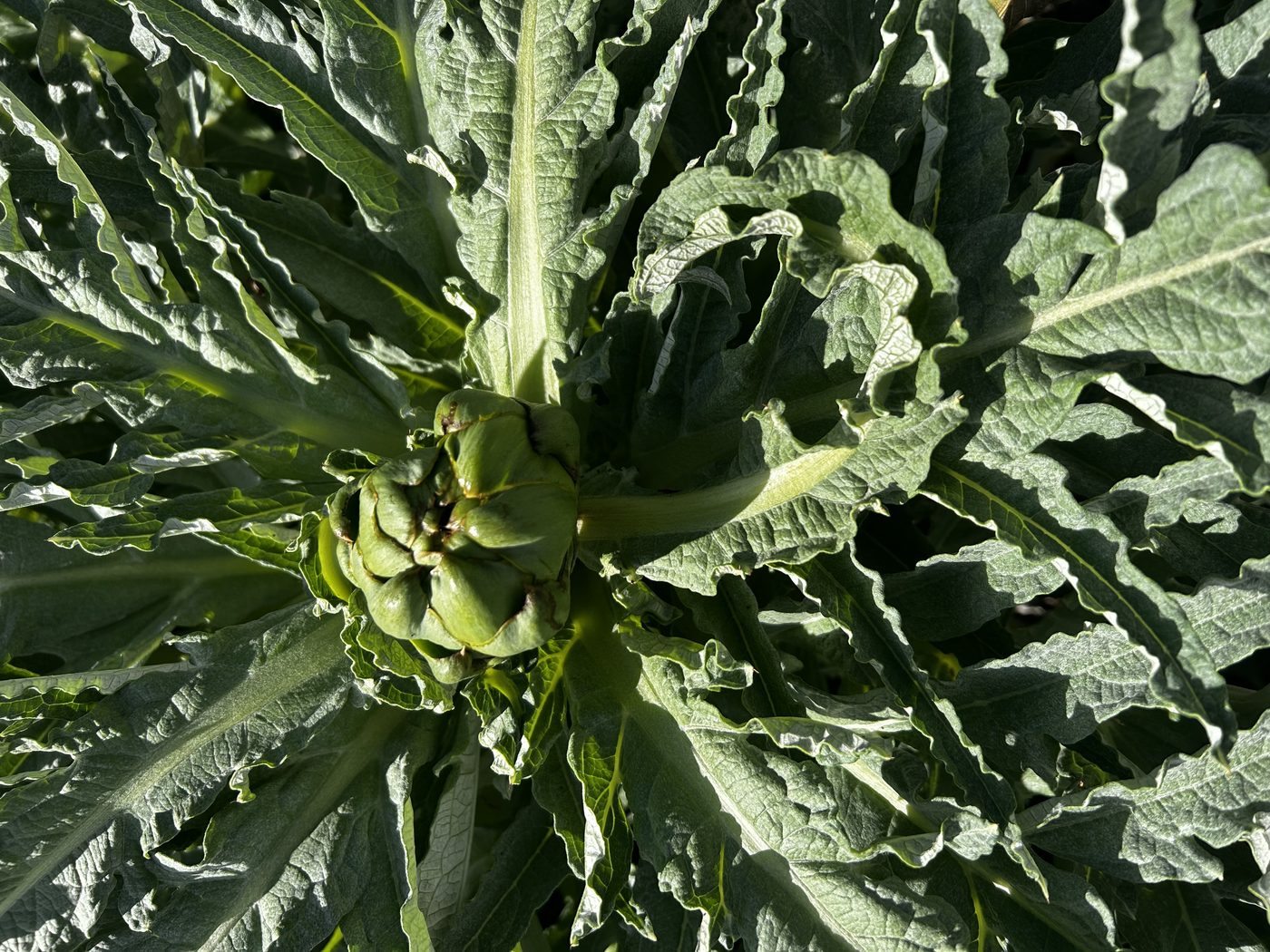
The season is closing, which makes this the best week to write things down. Note what you harvested, when, and what felt rushed. A crop that only just finished needed an earlier start. One that sat ready for weeks had room for a second sowing behind it.
That record is the input for next winter, when celery and onions and peppers all want deciding at once.
For the indoor half of this, including light, timing and hardening off, see when to start seeds indoors.
This counting is what GrowSmart is built to do. It takes your own frost dates, counts each crop backward across spring, summer and fall, and schedules the succession sowings behind the first one. The free plan covers a spring garden of 10 plants with no account needed, and the full three season planning sits in Pro. To run the arithmetic against your dates rather than Penn State's, open the planner.
Sources
- Oregon State University Extension, What does "harvest date" mean on my seed packets?
- Colorado State University Extension, Vegetable Planting Guide
- Penn State Extension, York County Master Gardeners, Vegetable Seed Planting Guide
- Penn State Extension, York County Master Gardeners, Vegetable Transplanting Guide
- Texas A&M AgriLife, Department of Horticulture, Celery crop guide
- Purdue Extension, Vegetable Gardening (HO-66-W)