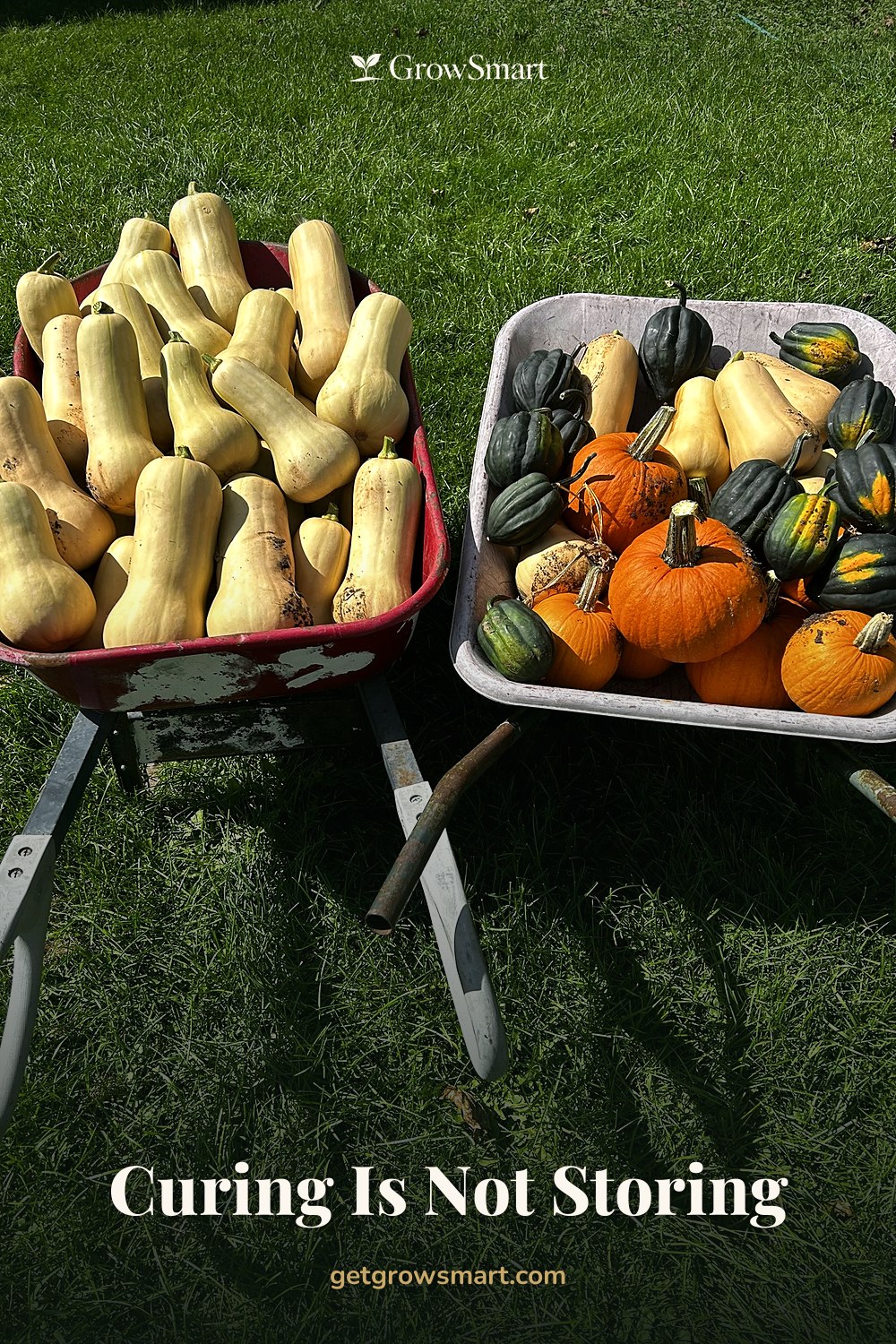
The end of the season arrives as a pile. In one week you can dig potatoes, cut winter squash, strip the pepper plants ahead of a cold night, and bring in every tomato worth saving. It all lands on the same afternoon, and it all tends to get the same treatment: into a box, into the basement, done.
That is where a lot of a season's work quietly disappears.
Four crops off the same garden in the same week need four different answers. One needs heat. One needs humidity and darkness. One needs to be kept well away from cold. One is not being stored at all, it is being ripened. Get the categories wrong and squash that should have lasted until February is compost by Halloween.
What curing actually does
Curing is not a vague gesture at letting things dry out. It is a specific process with one job: healing wounds.
Every potato you dig has scraped skin. Every squash has a cut stem. Those openings are how rot organisms get in. Under the right temperature and humidity, the plant lays down new corky tissue over the damage, a process called suberization. On potatoes it seals the skin. On winter squash it hardens the rind against fungal entry.
Curing takes days, not hours, at warmer temperatures than storage. Curing conditions and storage conditions are close to opposites, which is why moving a crop straight from the garden into the coldest corner of the basement skips the step that makes storage work. And one common crop must never be cured at all.
Winter squash: cure most of it, never acorn
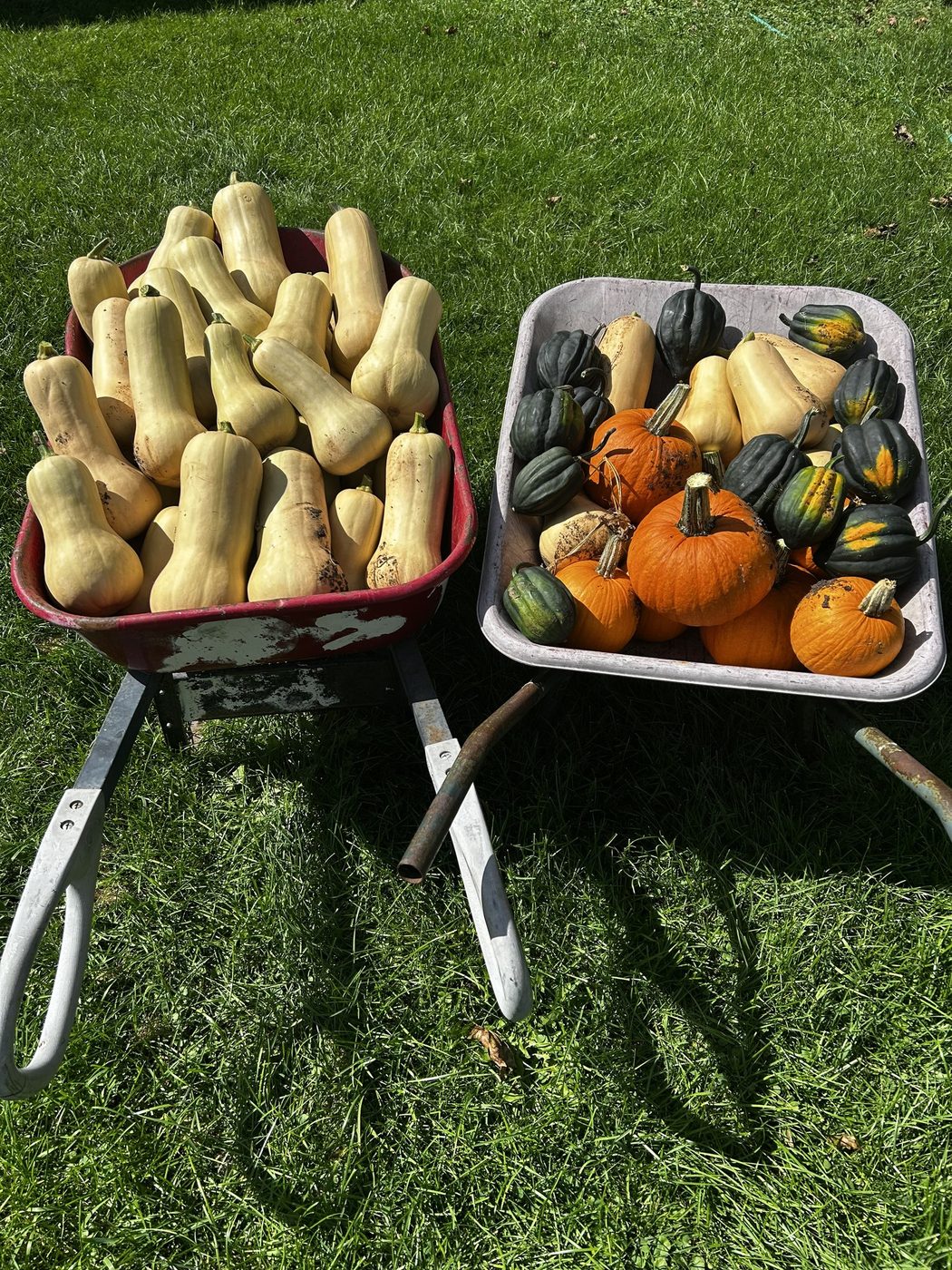
Butternut, hubbard, kabocha and most pumpkins store far better after curing at 80 to 85°F (27 to 29°C) and 80 to 85 percent relative humidity for about 10 to 14 days. A warm spare room or an enclosed porch usually does it. Then move them somewhere dry and well ventilated at 50 to 55°F (10 to 13°C).
Acorn squash is the exception, and it is a real one. Iowa State Extension is blunt about it: do not cure acorn squash. The same heat and humidity that help butternut actively reduce acorn quality and shorten its shelf life. Acorn goes straight into 50 to 55°F storage.
Worth sorting before anything goes into storage:
| Squash | Cure? | Storage | Expected storage life |
|---|---|---|---|
| Acorn | No | 50 to 55°F, dry, ventilated | 5 to 8 weeks |
| Butternut | Yes, 80 to 85°F for 10 to 14 days | 50 to 55°F, dry, ventilated | 2 to 3 months |
| Hubbard | Yes, 80 to 85°F for 10 to 14 days | 50 to 55°F, dry, ventilated | 5 to 6 months |
Two handling rules matter more than people expect. Leave one to two inches of stem on every fruit, and never carry a squash by that stem: a stem that pulls free leaves an open wound on the shoulder of the fruit, and that fruit rots first every time. Keep stored squash away from apples and pears, since ripening fruit gives off ethylene and shortens storage life.
Cut winter squash before a hard frost. Rind damage rarely shows on harvest day. It shows up six weeks later as soft spots.
Potatoes: cure in the dark, then step the temperature down
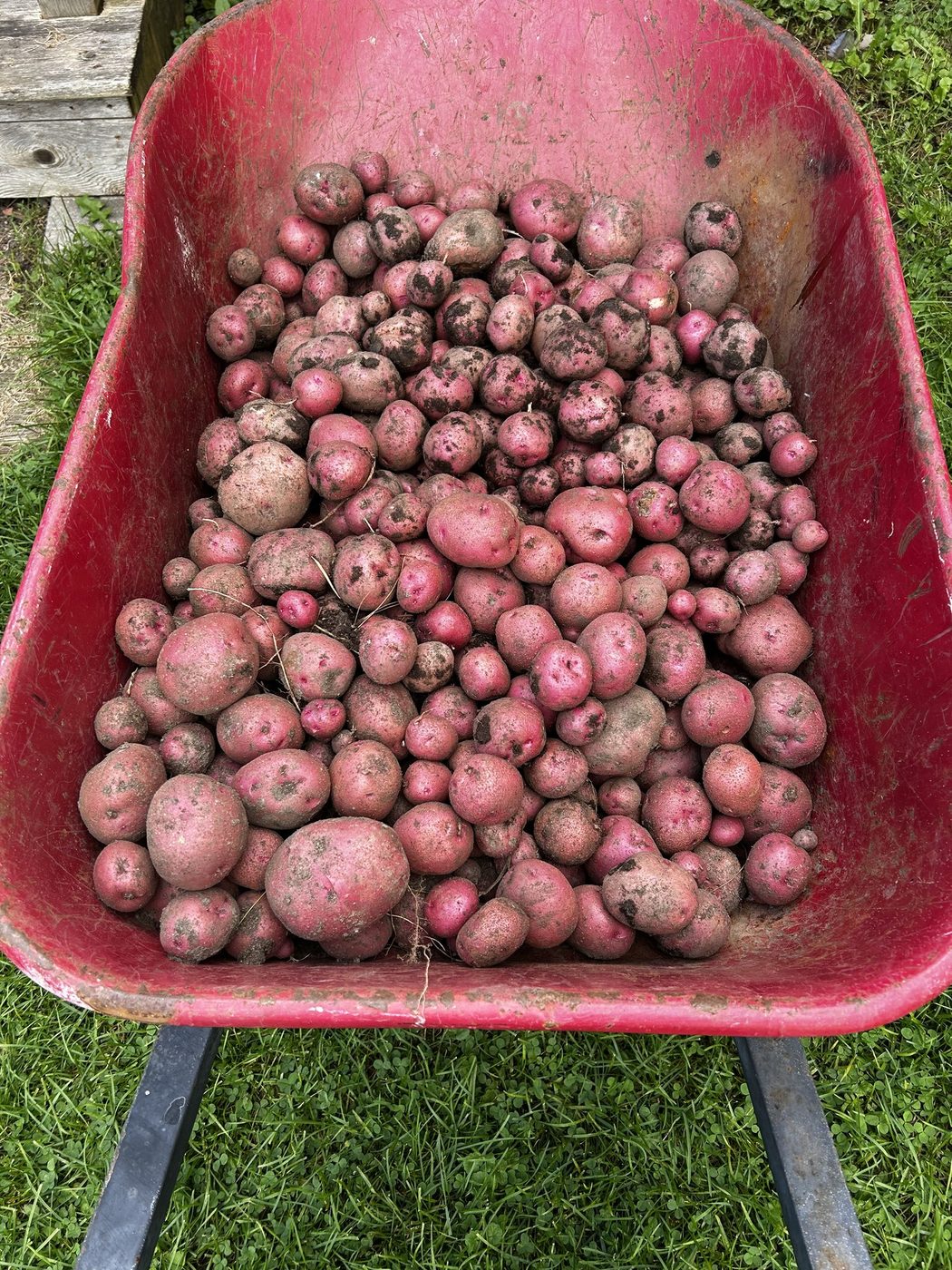
Potatoes cure in two stages, and both get rushed.
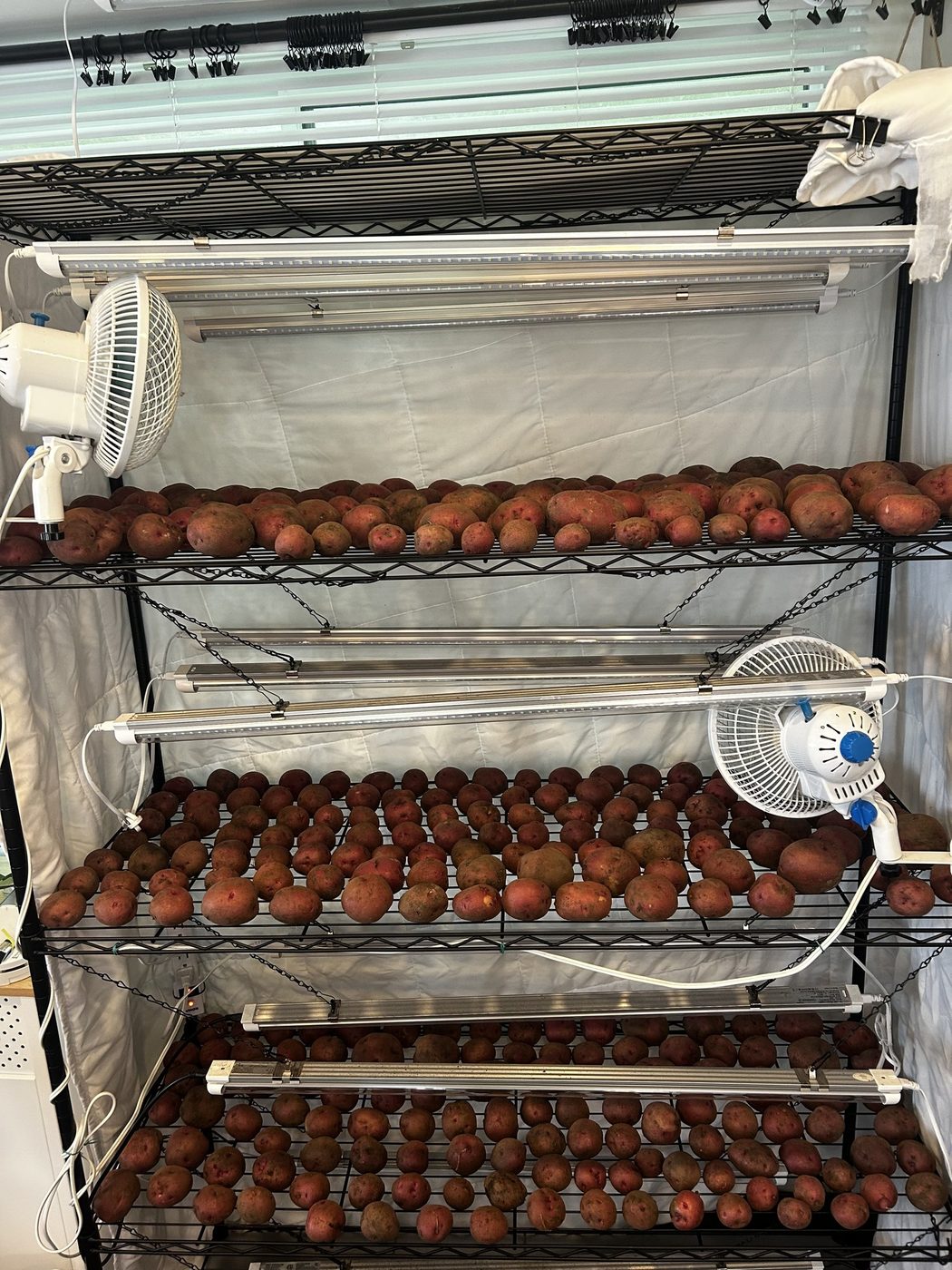
First, cure for 7 to 10 days somewhere dark, well ventilated and humid, at moderate temperature. Single layer, not piled, with air reaching all sides. Wire shelving does this well. A sealed box does the opposite.
Do not wash them first. Washing wets the skin you are trying to heal. Brush the dry soil off later.
Darkness is not optional. Light turns tubers green with chlorophyll, and while the pigment itself is harmless, it signals solanine, a glycoalkaloid that makes the potato unfit to eat. A sheet over the rack solves it.
Second, bring the temperature down gradually to 40 to 46°F (4 to 8°C) for eating potatoes, humidity high. Potatoes are roughly 80 percent water and shrivel in dry air.
Below about 38°F you run into cold-induced sweetening, where starch converts to sugar. The potatoes taste noticeably sweet and fry dark and oily. That is why a main refrigerator is the wrong home for a potato harvest.
Peppers: do not cure, and do not chill
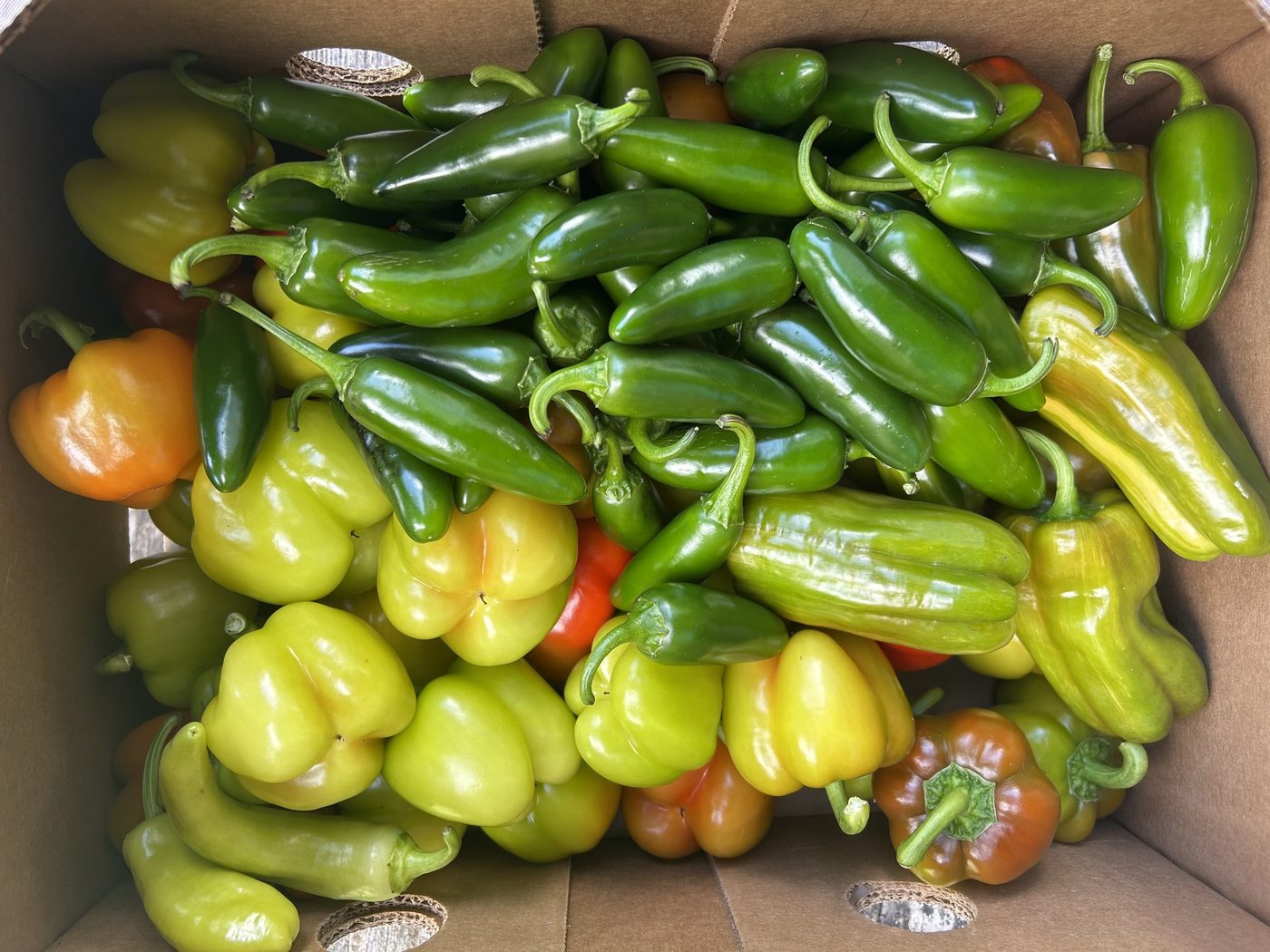
Peppers get no curing step at all, and they punish cold harder than most gardeners expect.
Bell peppers hold best at around 45°F (7.5°C) with relative humidity above 95 percent, where they keep 3 to 5 weeks. At 41°F they last about two weeks before chilling injury sets in: pitting, softening without water loss, discolored seed cavities, faster decay. Green peppers are more sensitive than colored ones.
A standard home refrigerator runs colder than 41°F. So a box of jalapenos and bells stripped off the plants ahead of a frost warning is on a shorter clock than it looks.
Which means the honest plan for a large pepper harvest is usually not storage. It is processing. Sweet and hot peppers freeze well chopped raw, no blanching needed. Thin-walled hot peppers dry cleanly. A surplus of jalapenos ferments into hot sauce in a couple of weeks. Decide that on harvest day, while they are still firm.
Tomatoes: you are ripening, not storing
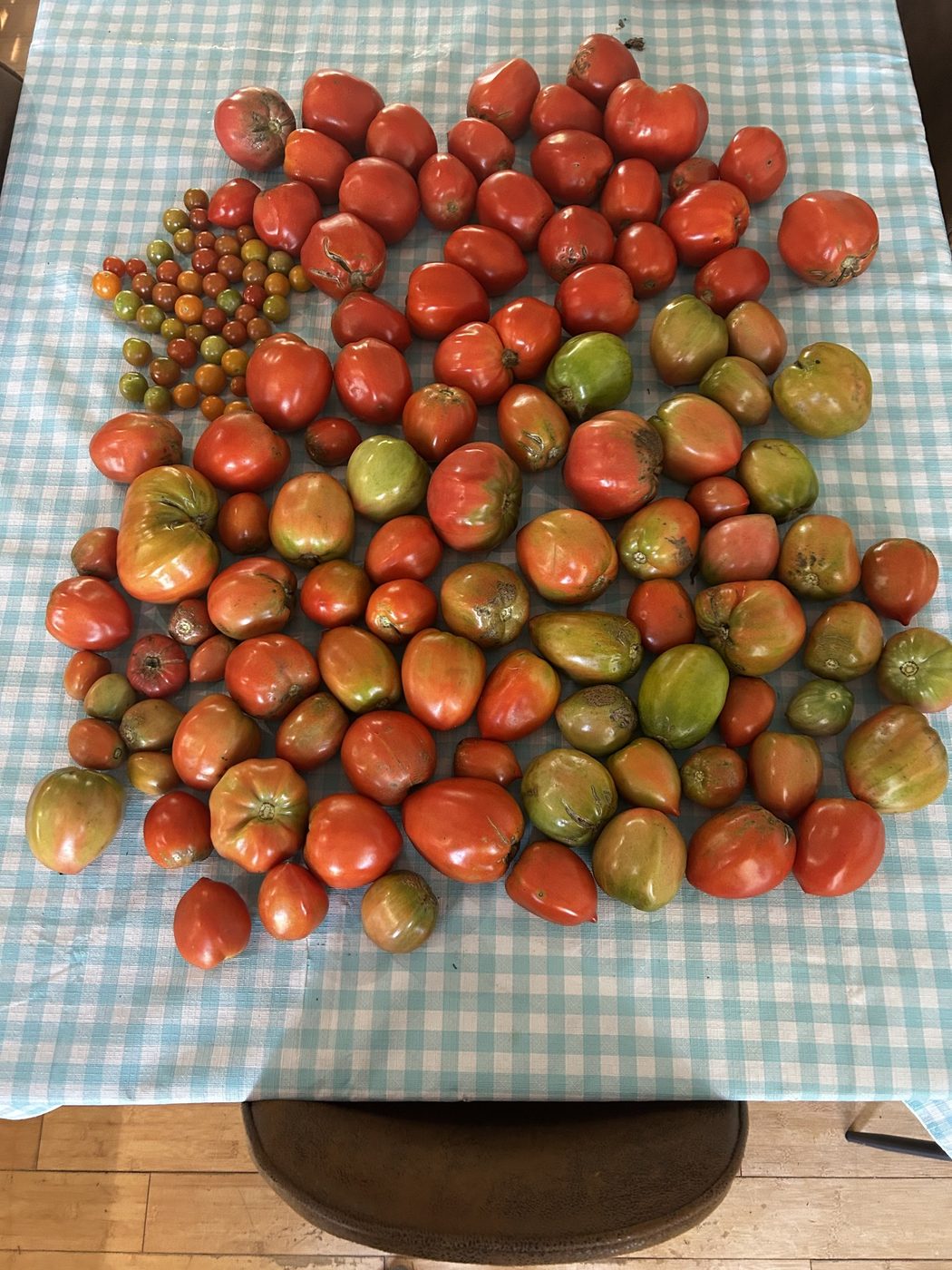
Green tomatoes brought in ahead of frost are a different problem, and none of it is curing.
Only mature green fruit ripens properly indoors. Mature green means full size for the variety, glossy skin, jelly formed around the seeds. Slice one open, and if you cut straight through the seeds, the rest at that size will never develop real color or flavor.
Ripen at around 68°F (20°C). Above roughly 77°F (25°C) tomatoes come out more yellow-orange than red, and softer, because high temperature interferes with pigment development. A single layer out of direct sun, fruit not touching, checked every few days, is the whole method.
Do not refrigerate them. Below 50°F tomatoes stop ripening properly and develop blotchy color, premature softening and surface pitting. The flavor loss is the part that stings, because it does not come back when the fruit warms up.
The crop with no storage at all
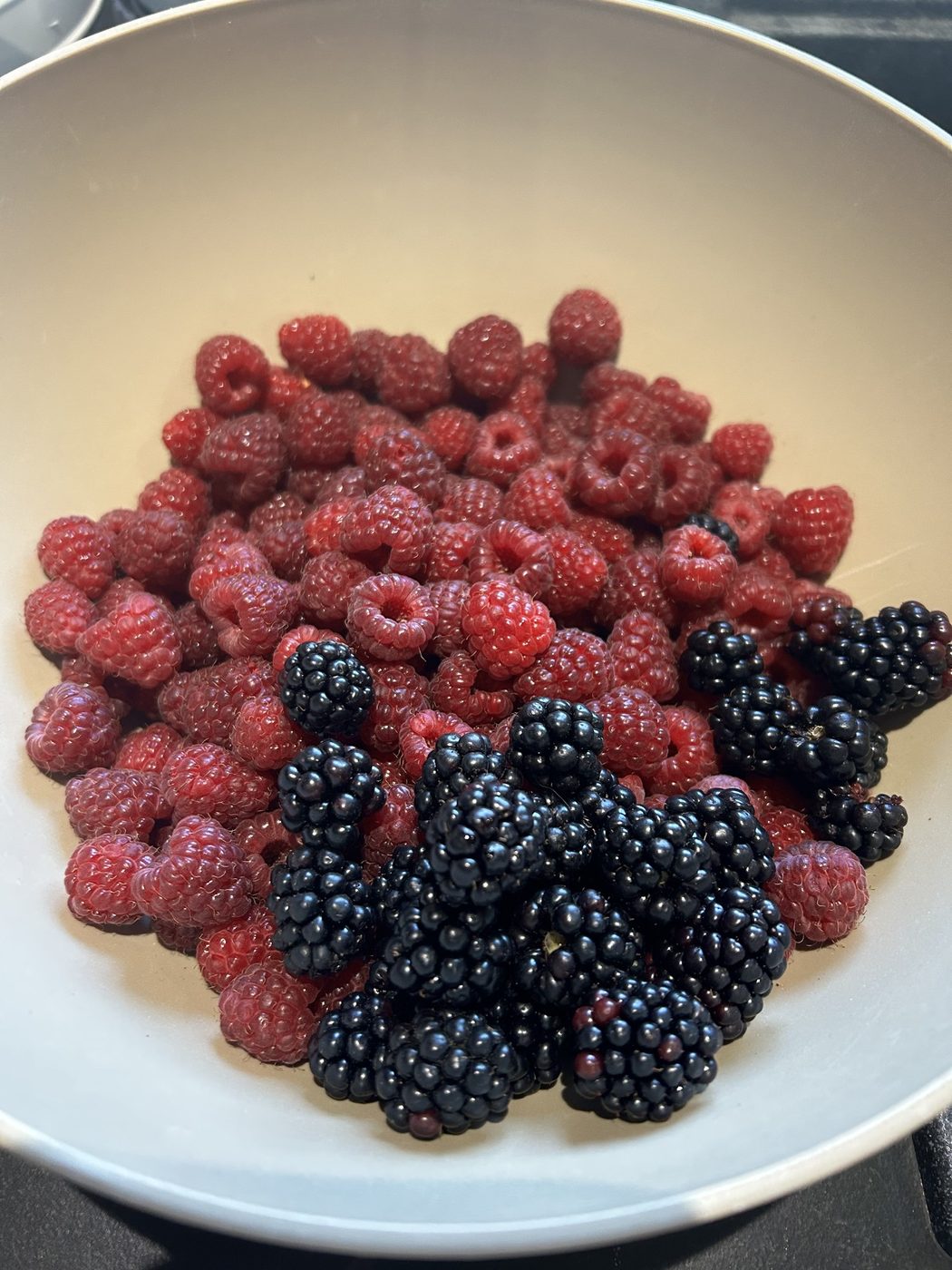
Fall raspberries and blackberries have essentially no shelf life. A few days cold at most, and washing before storage makes it worse. Pick into a shallow container so they are not crushing each other, and freeze what you will not eat within a day or two: single layer on a sheet pan, then into bags once solid so they stay loose.
Some crops reward patience, some reward speed. You have to know which is which before you pick, not after.
Curing is a scheduling problem
Curing takes space, time and a temperature you have to arrange on purpose. Butternut wants 10 to 14 warm days. Potatoes want 7 to 10 dark ones. Those windows have to exist before the weather forces your hand.
So count backward from your own first frost date rather than from a month on the calendar:
- Peppers and tomatoes come in ahead of the first light frost, which arrives earlier than the hard frost that ends the season.
- Winter squash is cut before the first hard frost, and its curing window has to open immediately afterward.
- Potatoes can sit in the ground through light frosts once the tops have died back, but not once the soil turns cold and wet.
Those windows land in a different month in a Zone 4 garden than in a Zone 6 one, and a Zone 8 gardener may still have squash on the vine when Zone 4 has finished. The sequence never changes. Only the dates do, which is why they are worth calculating from your own frost dates instead of borrowing someone else's.
GrowSmart builds the fall half of the season against your first frost date, so harvest deadlines land where they actually fall in your garden rather than where a generic planting calendar puts them. The free plan covers it, and you do not need an account to start.
The short version
Curing is a wound-healing step, done warm, for a short list of crops. Storage is what happens afterward, done cool. Different jobs, different numbers. Crops that need neither are on a clock from the moment you pick them.
The harvest is not the finish line. The ten days after it decide whether you are still eating from this garden in February.