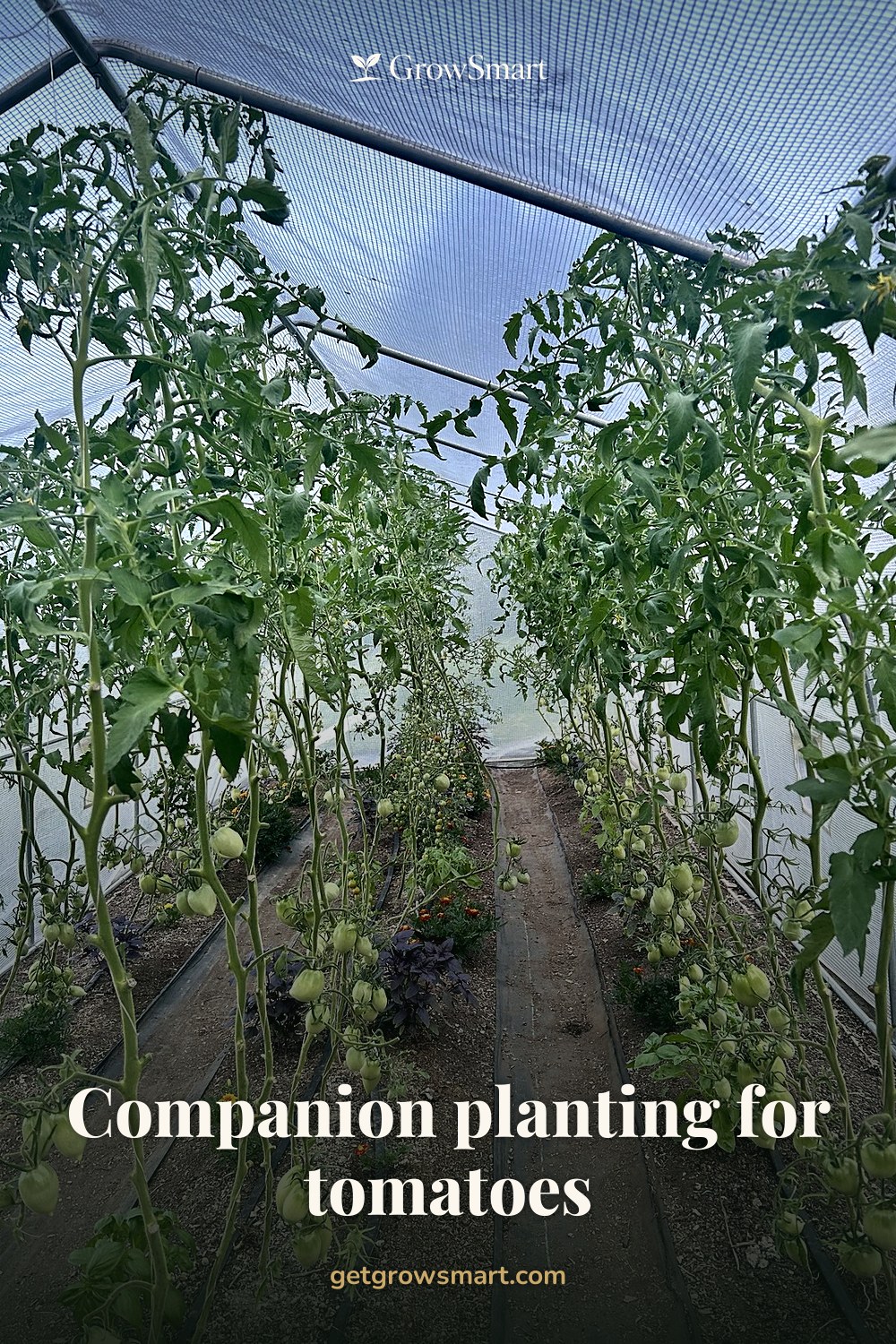
Tomatoes are the most planted vegetable in home gardens, and also the most misplanted. Not because they're difficult to grow, but because what you put next to them matters more than most gardeners realise.
Companion planting isn't folklore. Some combinations genuinely improve yield, deter pests, and make better use of limited bed space. Others are neutral. And a few are actively harmful. Here's what actually works.
Why Companion Planting Works
Plants interact through three main mechanisms:
Root chemistry. Some plants release compounds through their roots that suppress soil pathogens or inhibit nearby plants. Marigolds are the most studied example: their roots produce alpha-terthienyl, which has demonstrated nematicidal properties in research trials.
Above-ground volatiles. Strongly scented plants like basil and alliums release aromatic compounds that can confuse or repel insects. The evidence here is more variable (effectiveness depends on planting density and pest pressure), but there's enough consistent field data to take it seriously.
Physical structure. Tall plants provide shade for heat-sensitive neighbours. Sprawling plants act as living mulch, suppressing weeds and retaining soil moisture. This is perhaps the most reliable and underappreciated benefit of companion planting.
Good Companions for Tomatoes
Basil
The most commonly recommended tomato companion, and one with real evidence behind it. Basil planted densely alongside tomatoes has shown measurable reduction in thrips and aphid pressure in multiple studies. It also makes efficient use of vertical versus horizontal space. Plant basil at the base of tomato cages rather than competing for the same root zone.
Spacing: One basil plant per 30cm alongside each tomato.
Marigolds (French variety)
French marigolds (Tagetes patula, not African marigolds) are the companion plant with the strongest scientific backing. Their root secretions suppress root-knot nematodes when planted densely. One season of marigolds reduces nematode populations measurably in subsequent seasons, making them particularly valuable in beds with a history of tomato problems.
Important: This effect requires dense planting throughout the bed, not just a few plants at the border. Treat them as a soil treatment, not a decoration.

Carrots
Carrots and tomatoes are a practical pairing. Carrots loosen the soil around tomato roots as they grow, improving aeration and drainage. They occupy a completely different vertical zone and don't compete for light. The combination works especially well in raised beds where soil depth allows carrots to develop fully.
Parsley
Parsley attracts predatory insects, particularly syrphid flies and parasitic wasps, that feed on aphids and tomato hornworm eggs. Let some parsley bolt to flower; the flat-topped flowers are exactly what beneficial insects need.
Borage
Borage is consistently reported to deter tomato hornworm and improve pollinator activity. It self-seeds readily, which makes it a low-maintenance perennial presence in established beds. The blue flowers attract bees earlier in the season than most other companion plants.
What to Keep Away From Tomatoes
Fennel
Fennel is allelopathic to most vegetables: it releases compounds that inhibit the growth of nearby plants. Tomatoes are particularly sensitive. Keep fennel in its own container or a bed at least 1 metre away from any other crop. This is one of the few companion planting rules that is consistently supported by field observation.
Brassicas
Cabbage, broccoli, kale, and their relatives compete aggressively with tomatoes for calcium and magnesium. Both are heavy feeders. In a raised bed with limited soil volume, the competition often shows up as blossom end rot in tomatoes, a calcium deficiency symptom triggered not by absent calcium but by inconsistent uptake.
Corn
Corn and tomatoes share several common pests, particularly the corn earworm, which is the same species as the tomato fruitworm (Helicoverpa zea). Planting them together concentrates pest pressure and can accelerate population buildup. Keep them on opposite sides of the garden.
Potatoes
Tomatoes and potatoes are in the same botanical family (Solanaceae) and share diseases, particularly early blight and late blight. Planting them adjacent allows disease to spread readily between crops. They should never share a bed and ideally should not be in adjacent beds.
Companions That Are Neutral (But Often Recommended)
Lettuce is frequently listed as a tomato companion because it tolerates partial shade and uses space efficiently beneath tomato plants. It's a good combination, but the benefit is practical (space efficiency) rather than biochemical.
Garlic is sometimes recommended for pest deterrence. The evidence is inconsistent, but garlic is not harmful to tomatoes and the space-use is compatible. If you grow garlic anyway, planting it near tomatoes does no harm.
Peppers are often planted alongside tomatoes because they share similar growing conditions. They're not companions in any biochemical sense. They just have compatible cultural requirements. This is fine but shouldn't be confused with a true companion relationship.
How to Plan It
A productive tomato bed might look like this:
- Tomatoes as the vertical anchor, spaced 60–90cm apart
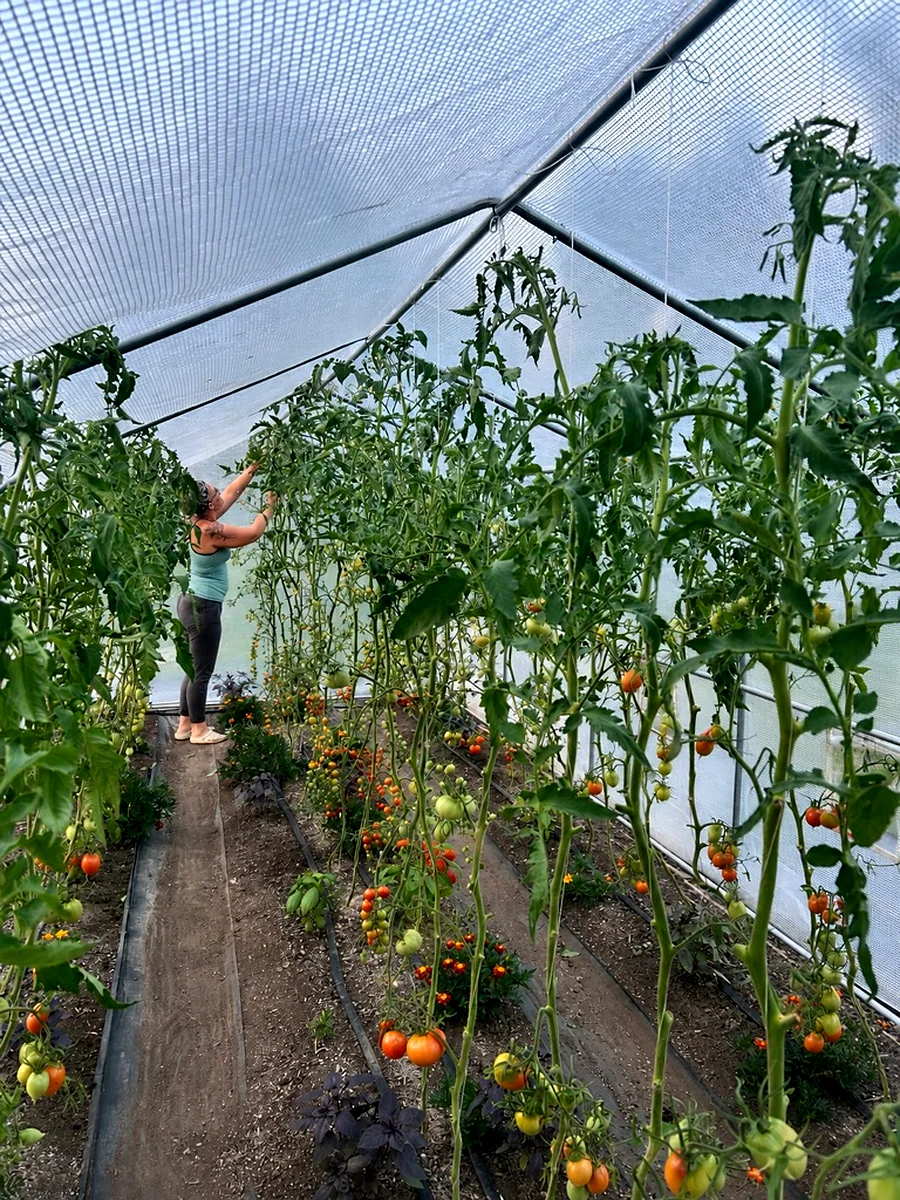
- French marigolds planted densely throughout the bed between tomatoes
- Basil at the base of each tomato cage
- Parsley at one end, allowed to flower
- Carrots in rows between tomato plants where space allows
What stays out: fennel, brassicas, corn, potatoes.
This isn't complicated. But it does require planning the bed before you plant it, not after you've already put everything in and realised the fennel is next to the tomatoes.
GrowSmart's companion planting tool shows compatible and incompatible pairings for all 196 plants in the app, including the reason behind each recommendation, not just a yes or no. Start planning your beds here.
Companion planting recommendations are based on published horticultural research and field observation. Results vary by region, pest pressure, and soil conditions.